
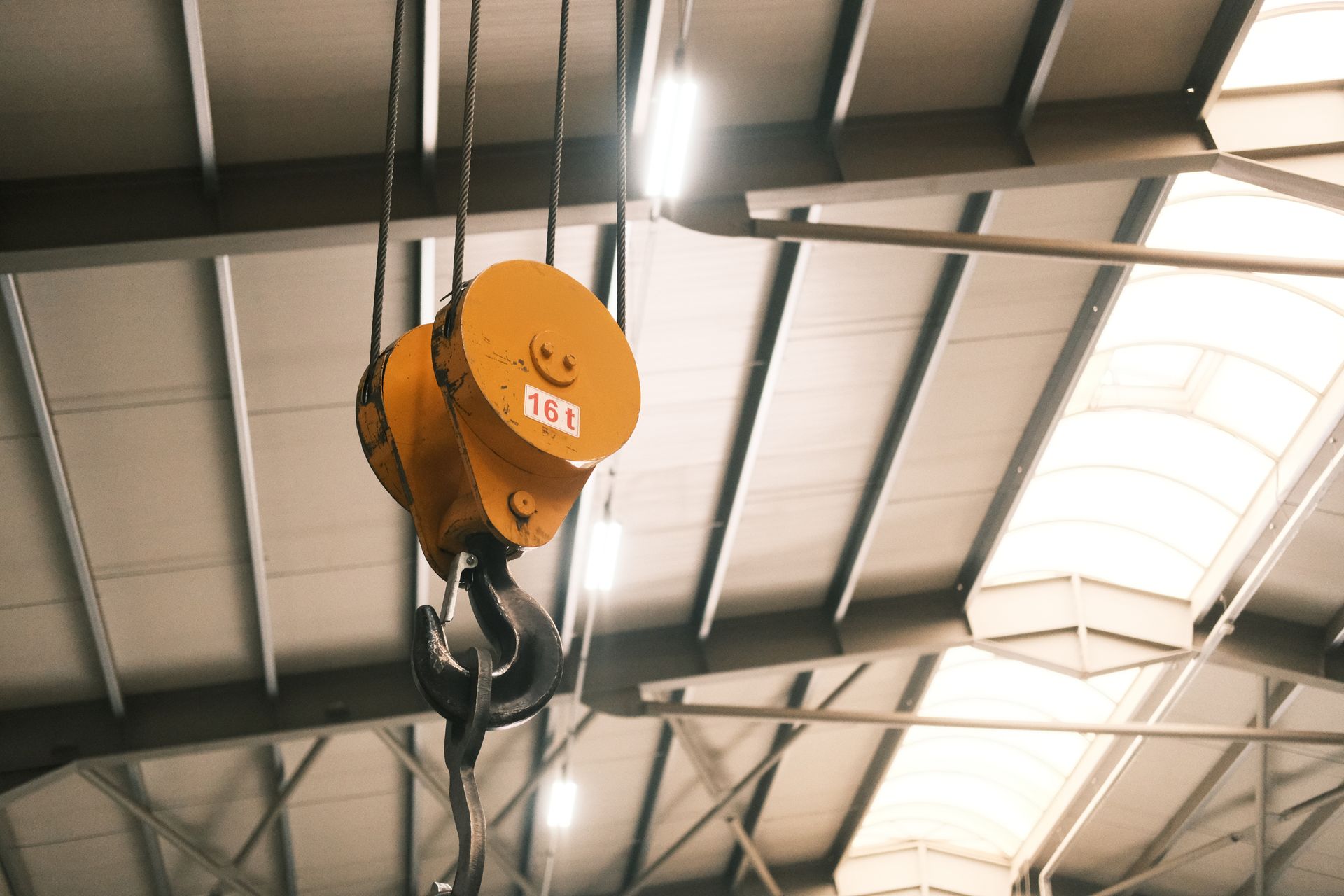
Using Vibration Intelligence to De-Risk Crane Modernizations
Modern crane modernization does not have to feel like a gamble. When you pair it with a structured vibration analysis service, you move from reactive repairs to a planned reliability upgrade, backed by hard data from your own assets. Instead of guessing which components are close to failure, you can see how the system behaves under real loads, then modernize with confidence.
This is especially important when production ramps up in the hotter months and overhead cranes, hoists, and runway systems are expected to run harder and longer. Unplanned downtime during peak demand can disrupt schedules, add safety risk, and put unnecessary stress on maintenance teams. A data-driven modernization-approach lets you prepare before that pressure hits.
At Zeller Technologies, we support industrial facilities with electric motors, crane and hoist systems, controls, and predictive maintenance solutions. By integrating advanced vibration diagnostics into engineered crane upgrades, we help plants increase uptime, improve safety margins, and get more certainty from their modernization plans.
Critical Failure Modes in Aging Crane Assets
Legacy bridge and gantry cranes carry mechanical and electrical wear that may not be obvious until a failure stops production. Typical degradation patterns include gearbox wear and pitting on gear teeth, bearing fatigue in motors, wheels, and sheaves, and shaft misalignment between motors, gearboxes, and couplings. Plants also commonly see general mechanical looseness in bolts, keys, and mounting hardware, as well as structural issues such as resonance in girders and runway beams.
As seasonal duty cycles increase, these failure modes often accelerate. Higher ambient temperatures can stress motors (with insulation and bearings running hotter), gearboxes (where lubricants thin out and break down faster), and hoists and trolley or bridge drives (which see more starts, stops, and overloads).
Traditional inspection methods, such as visual checks or basic manual measurements, are important but limited. Many early stage defects only appear under dynamic load at speed, at certain load levels or travel directions, or during specific sequences in normal production. Without vibration analysis, these conditions are easy to miss. Problems may remain hidden until they reach an advanced state, turning a planned outage into an emergency repair.
Applying Vibration Analysis Service Before Modernization
A strategic vibration analysis service before any crane modernization gives you a clear baseline of asset health. During a pre modernization survey, data is collected on:
- Hoist, trolley, and bridge drive motors
- Gearboxes and couplings on all motions
- Sheaves, drums, and load-bearing components
- Runway behavior under moving and lifting loads
This is done under real operating conditions, not just no-load test runs. Instead of only looking at overall vibration levels, we analyze the data in the frequency domain. That means we can separate and identify bearing defects at specific fault frequencies, gear mesh problems such as tooth wear, backlash, or eccentricity, angular or parallel misalignment, soft foot conditions at motor or gearbox bases, and looseness at connection points or keyed joints.
Once these patterns are clear, you have a fact-based view of risk. Zeller Technologies can use this information to shape the modernization scope:
- Which motors or gearboxes must be replaced or remanufactured now
- Which components can safely remain in service with monitoring
- Where alignment and mounting corrections will deliver big reliability gains
- How to prioritize work across multiple cranes or runways
This lets you plan capital spending and outage durations with much better accuracy, instead of swapping parts on guesswork.
Designing Modernizations Around Condition Data
Condition data should not sit in a report folder. It should guide how the modernization is actually engineered. When we understand the vibration behavior of your existing system, we can make better technical choices for new components and configurations.
For example, vibration results help with:
- Selecting motor and hoist designs with better bearing and thermal performance
- Matching gear ratios and drive configurations to reduce torsional stress
- Choosing couplings that tolerate misalignment without passing high vibration into gearboxes
- Verifying that structural changes will not excite problem frequencies in bridge girders or runways
Vibration analysis service also contributes to smarter controls and automation. When you modernize crane controls, it is an opportunity to add:
- Permanent vibration sensors on key motors and gearboxes
- IIoT gateways to send condition data to your plant network
- Defined vibration monitoring routes that your reliability team can follow
Zeller Technologies coordinates mechanical, electrical, and structural aspects so they work together instead of in isolation. By referencing vibration signatures, we can avoid known resonance bands when selecting speeds or variable frequency drive settings, limit transmitted vibration into runway beams and building steel, and tune acceleration and deceleration profiles to reduce mechanical shock. The result is a crane system that not only meets capacity and control requirements, but also behaves predictably from a reliability standpoint.
Commissioning and Seasonal Performance Verification
Once modernization work is completed, post installation vibration testing is the reality check. It verifies that what looked good on paper is actually performing correctly under load on your floor.
During commissioning, a structured vibration analysis service can confirm:
- Shaft alignment between motors, gearboxes, and drums
- Balance of rotating components such as motors and drums
- Gear mesh quality under different speeds and load profiles
- Structural response of the bridge and runway during travel and lifting
We then compare pre- and post-modernization vibration spectra. This comparison shows how much key indicators have improved and whether any new issues appeared. It is a practical way to confirm that problem bearings or gears were addressed correctly, looseness or soft foot conditions were resolved, and the system is ready for heavier duty cycles, including summer peak production.
Those same vibration results can roll directly into an ongoing condition-based maintenance plan. Plants often set up seasonal vibration checks ahead of high-demand periods, periodic route-based measurements across all crane motions, and clear alarm and action thresholds for reliability teams. Because Zeller Technologies provides 24/7 industrial service, vibration diagnostics also support urgent troubleshooting when unexpected behavior shows up between planned inspections.
Turning Crane Modernization Into a Reliability Program
When you view crane modernization only as a one-time capital project, you miss much of its long-term value. The better approach is to treat each modernization as the start of a structured reliability program built around condition monitoring.
A practical roadmap looks like this:
- Begin with a baseline vibration assessment of existing crane assets
- Develop a risk-ranked upgrade plan based on actual condition, not age alone
- Execute an engineered modernization that includes mechanical, electrical, and controls improvements
- Validate the work with commissioning vibration testing under real operating loads
- Continue with a predictive maintenance program that includes routine vibration analysis service and seasonal reviews
By following this pattern across your crane fleet, you build a living reliability strategy. Each project improves not only one asset, but also your plant’s understanding of how these systems age and fail in your specific environment.
At Zeller Technologies, we focus on supporting manufacturers and industrial facilities with reliable motors, crane and hoist systems, controls, and predictive maintenance solutions. When vibration intelligence is integrated into your crane modernizations from the start, you gain clearer decisions, safer operations, and better uptime when production demand is at its highest.
Protect Your Equipment With Proactive Vibration Monitoring
Unlock earlier fault detection and longer asset life with our specialized vibration analysis service. At Zeller Technologies, we use data-driven insights to help you schedule maintenance before minor issues become costly failures. If you are ready to improve reliability and reduce unplanned downtime, contact us to discuss your equipment and operating environment.