
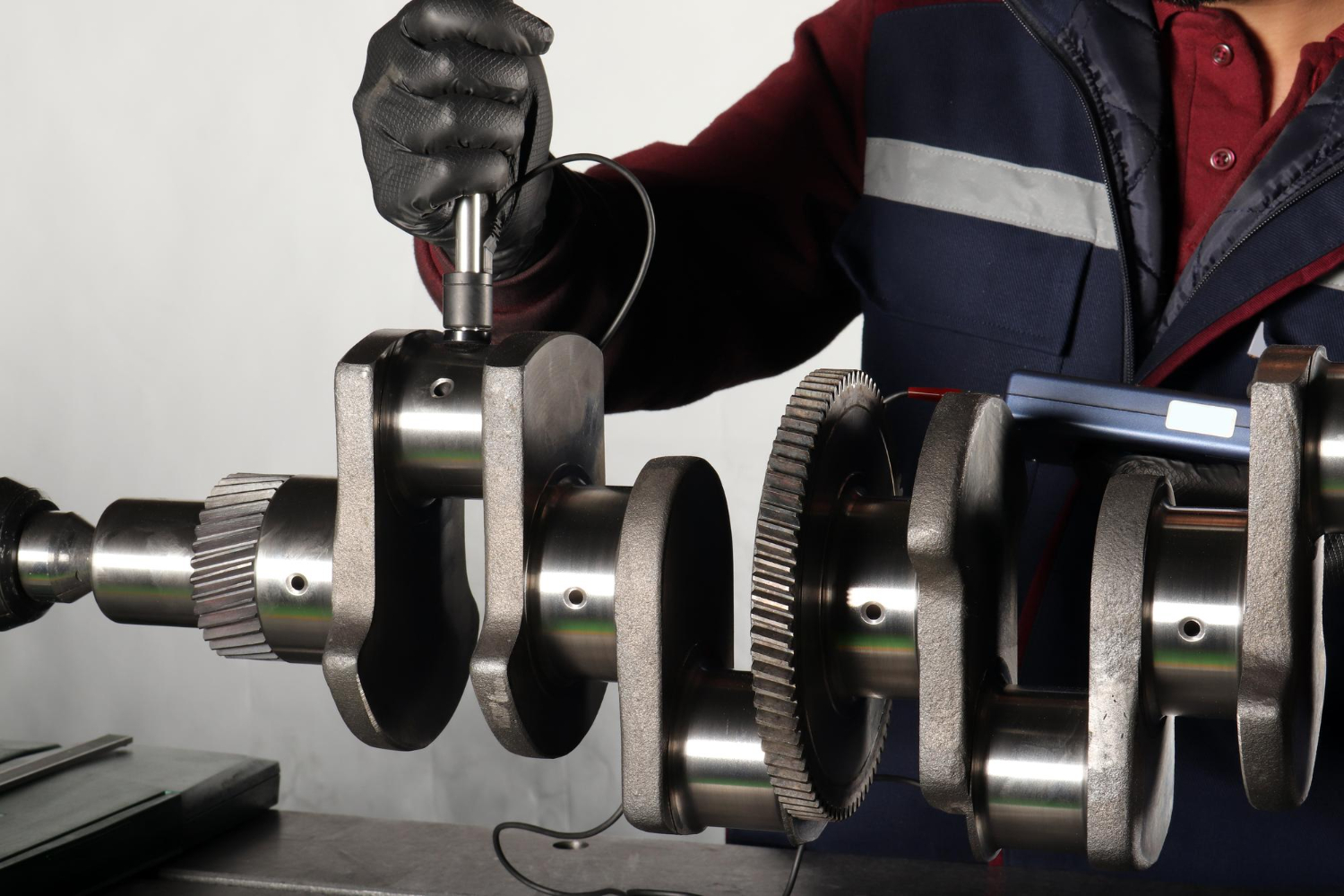
Precision Alignment for Peak Motor Reliability
Shaft alignment is one of the simplest ways to protect overall equipment effectiveness in a plant that runs motor-driven systems. When the motor shaft and the driven shaft share a common centerline, the entire drivetrain runs smoother, cooler, and more consistently. When they do not, the damage starts quietly and grows until you are facing a motor rewind, a failed pump, or a down crane.
Misalignment comes in a few basic forms. Angular misalignment happens when the shafts meet at an angle. Parallel or offset misalignment happens when the shafts are side by side but not on the same centerline. Most real-world installations have a combination of both. Any of these conditions will slowly degrade motors, pumps, fans, hoists, and cranes.
That is why shaft alignment service should never be seen as an optional add-on to motor repair. It is the foundation that every other repair step rests on. As plants move toward higher summer throughput and heat puts extra stress on equipment, starting with precise alignment before peak loads hit can make the difference between stable operation and repeated trips to the repair shop.
How Misalignment Destroys Motors From the Inside Out
Misalignment always turns into unwanted force somewhere in the system. That force goes through bearings, couplings, shafts, and frames, and none of those parts were designed to absorb it for long. The result is accelerated wear that often looks like a random failure until you trace it back to alignment.
Mechanical impacts of misalignment include:
- Excess radial and axial forces on bearings
- Premature coupling element wear or cracking
- Shaft bending fatigue and keyway damage
- Loosened hold-down bolts and baseplates
As bearings fight against the extra load, they run rougher and hotter. That heat does not stay in the bearing. It moves into the motor housing and into the stator and rotor. Over time, increased friction and temperature can stress winding insulation and contribute to rotor bar damage. Higher mechanical drag also leads to elevated current draw, so the motor works harder and the energy bill goes up without any gain in output.
Thermal and electrical impacts often include:
- Higher operating temperature and shorter insulation life
- Hot spots around bearing housings and end bells
- Increased current and power consumption under the same load
- Higher vibration that masks other developing faults
In production environments that rely on conveyors, hoists, cranes, and process lines, misalignment is rarely an isolated issue. A failed motor can stall a conveyor, causing belt damage and product loss. A misaligned hoist drive can lead to uneven lifting and added stress on structural steel. These secondary failures cut into throughput and also raise safety concerns for operators and maintenance teams working around unstable or noisy equipment.
Why Shaft Alignment Service Must Anchor Motor Repair
A reliable motor repair practice does not stop at bearings, windings, or machining. Shaft alignment service should be anchored into the workflow from inspection through final test. When a motor comes into a shop, the mechanical condition of shafts, fits, and housings needs attention before alignment is even checked.
A best-practice repair path often includes:
- Visual and dimensional inspection of shafts, housings, and couplings
- Correction of worn fits, bent shafts, and soft foot conditions
- Dynamic balancing where appropriate
- Final precision alignment to OEM, API, or ANSI tolerances
Traditional alignment methods such as straightedges, feeler gauges, and dial indicators can provide a rough indication. In some cases they are still useful as screening tools. However, they depend heavily on technician technique and can be hard to repeat from one maintenance event to the next.
Modern laser alignment systems allow technicians to measure and correct angular and offset misalignment with much tighter tolerances. The data is digital, so readings are easier to document and compare over time. That data matters. Recording initial and final alignment, thermal growth targets, baseplate condition, and any soft foot corrections gives maintenance and reliability teams a repair record they can trust and refer to on future outages.
Integrating Alignment with Predictive Maintenance and Modernization
Shaft alignment service should not stand alone. It becomes more powerful when combined with other predictive tools that many plants already use. When alignment data is stored and trended, it can be compared with vibration analysis, thermography, and motor current signature analysis to give a more complete picture of machine health.
Some effective combinations include:
- Using vibration data to spot misalignment signatures, then confirming with laser alignment
- Comparing infrared temperature scans before and after alignment work
- Tracking motor current draw changes after alignment correction
Alignment also plays a key role in modernization projects. When plants replace legacy motors, upgrade hoists and cranes, or add variable frequency drives, the system often runs under new speed ranges, torque profiles, and start-stop patterns. These changes can make alignment tolerances more critical because any misalignment will now act through a broader range of operating conditions.
During seasonal shutdowns, annual turnarounds, or planned capacity increases, alignment verification both before and after the event can stabilize restart performance. Early alignment checks can find issues like distorted bases, worn shims, or structural movement that would otherwise show up as vibration and failures later in the season.
Seasonal Stress, Load Cycles, and Alignment Stability
Alignment is not a one-time event. Shafts, bases, and structures move over time. Seasonal temperature swings can cause steel structures, baseplates, and concrete foundations to expand and contract. In warmer months, this movement can change shaft positions enough to push a system out of tolerance, even if it was aligned properly at installation.
Variable loading creates its own set of stresses. During heavier production runs or peak shipping periods, flex couplings and bearings absorb greater torque and radial loads. If the original alignment was only “good enough,” this extra loading can quickly tip a marginal setup into a damaging condition.
For long-term stability of critical assets, it is wise to:
- Recheck alignment after major process changes or line reconfigurations
- Inspect alignment following crane rail work or structural steel modifications
- Verify alignment on critical motors after high-heat seasonal periods
- Review alignment records any time a motor or pump has repeated premature failures
Treating alignment as an ongoing condition rather than a one-time task helps prevent recurring problems that slowly erode reliability, especially in environments with wide temperature swings and changing production demands.
Partnering with Zeller Technologies for Alignment-Driven Reliability
When shaft alignment service is treated as a strategic reliability lever instead of a small line item on a repair quote, plants see fewer failures, lower total lifecycle cost, and higher overall equipment effectiveness. Alignment directly supports longer motor life, smoother crane and hoist operation, and more stable control system performance across the entire site.
At Zeller Technologies, we integrate alignment into our electric motor repair, hoist and crane service, and control system work for manufacturing and material handling operations. Our teams use precision alignment tools and documented procedures so plant and reliability engineers receive data-backed reports, not just a note that the motor was “aligned.” By embedding alignment into repair, modernization, and predictive maintenance programs, we help facilities build a more stable, predictable operation that is ready for the next production surge or seasonal demand spike.
Protect Your Equipment With Precision Shaft Alignment Today
If you are seeing increased vibration, noise, or premature wear, our shaft alignment service can help you correct problems before they lead to costly downtime. At Zeller Technologies, we use precise alignment methods to extend equipment life and improve reliability across your operation. Tell us about your application and we will recommend the right approach for your motors and rotating machinery. To schedule a consultation or request a quote, contact us today.