
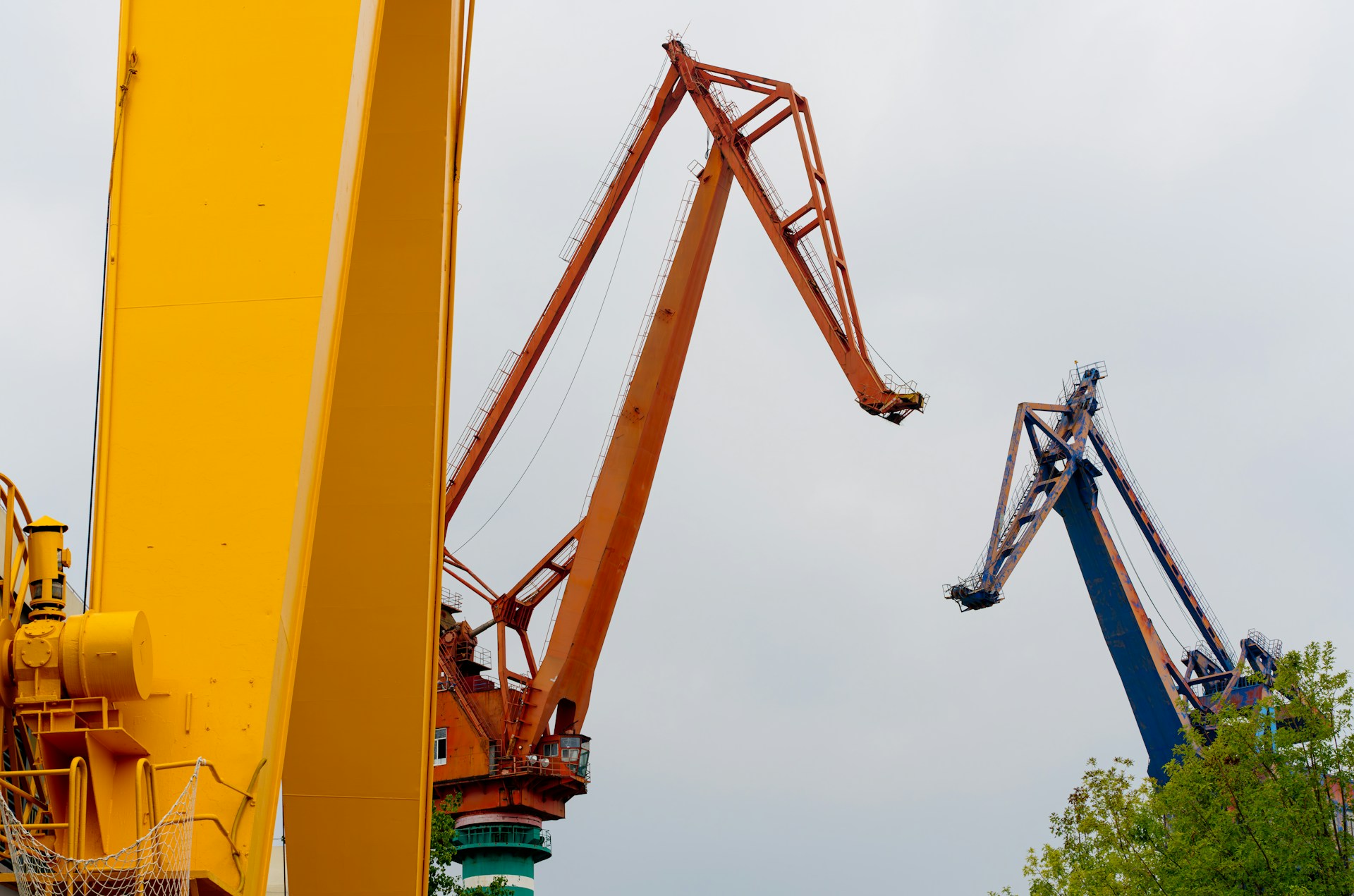
Turning Crane Duty Data Into Gearbox Decisions
Crane gearboxes rarely live the simple life described in OEM catalogs. Hoist, trolley, and bridge drives see short bursts of high torque, long idle periods, heat soak, and irregular overloads that do not match a clean duty class on a data sheet. Relying only on calendar-based overhaul intervals means either repairing too early and wasting remaining life, or waiting too long and accepting unplanned outages.
Maintenance leaders are moving toward decisions based on what the crane actually does. By tracking duty cycle, load spectra, starts and stops, and thermal history, you can quantify the real stress your gearboxes see. At Zeller Technologies, we see this data-driven approach allow teams to repair just before failure risk spikes, while still pulling maximum safe life from the asset.
What Duty Cycle Really Means for Crane Gearboxes
Duty cycle is more than a rating like FEM or CMAA on a drawing. For crane gearboxes, real duty has several dimensions:
- Percentage of time under torque versus idle
- Distribution of loads from very light to near rated and occasional overloads
- Duration of each lift or travel event and how long the gearbox has to cool down
- Patterns across shifts, seasons, and product mix
Standards like ISO, CMAA, and FEM are helpful for design, but actual use in steel mills, ports, paper mills, and automated warehouses often looks very different. Cranes may run many more partial-load cycles than expected, or see higher peak loads for short periods. Some drives see intense activity in short windows, then sit hot and idle without much airflow.
When duty assumptions do not match reality, failure modes arrive earlier than planned. We commonly see:
- Micro-pitting on tooth flanks from repeated high contact stress with mixed lubrication
- Scuffing when boundary lubrication occurs at high temperature and high sliding speed
- Tooth bending fatigue where repeated overloads exceed design margins
- Shaft and housing misalignment due to thermal growth and base distortion
- Accelerated bearing wear in hoist, trolley, and bridge gearboxes from higher than expected load cycles
Understanding true duty cycle aligns your maintenance plans with how the gearbox is actually being used instead of how it was originally classified.
Using Load Spectra to Quantify Mechanical Stress
A load spectrum is a statistical view of what the gearbox sees across its operating range. For cranes, it can be built from:
- Torque sensors on the shaft or coupling
- Motor current data from drives or MCCs
- Event logs from crane control systems
Raw data by itself is not enough. It needs to be processed into something maintenance teams can act on. That includes:
- Binning load events into ranges, for example 0 to 25 percent, 25 to 50 percent, 50 to 75 percent, 75 to 100 percent, and above rated
- Counting how long the gearbox operates in each bin and how many cycles occur
- Calculating an equivalent torque that reflects the damage potential of the entire spectrum
- Applying simple damage accumulation models such as Miner’s rule to compare actual duty to design expectations
With that view, you can move from “one-size-fits-all” overhaul plans to usage-based intervals. Practical actions include:
- Adjusting inspection frequency on fleets of similar cranes based on which gearboxes see the harshest spectra
- Rebalancing lubricant change intervals where high equivalent torque demands fresher oil
- Planning component replacements, such as bearings or pinions, when a percentage of calculated fatigue life has been consumed, instead of waiting for symptoms
This is where industrial gearbox repair becomes proactive. The data points you toward the gearboxes that are quietly burning through their life faster than others.
Starts, Stops, and the Hidden Impact of Transients
Average load can look reasonable while transient events quietly damage the drivetrain. High-frequency starts, inching, jogging, and load positioning create torque spikes that may exceed steady-state ratings even if only for fractions of a second.
These transients drive specific stress modes:
- Torsional shock on gear teeth at engagement, which promotes tooth root cracking and surface fatigue
- Fretting on keyways and splines from repeated micro-motion
- Accelerated wear on brakes and clutches as they absorb energy on every stop
- Increased bearing load reversals, which shorten fatigue life
To quantify this, maintenance and reliability teams can:
- Use drive event counters to track the number of starts, stops, and reversals per shift
- Add high-speed data logging during representative work cycles to capture peak torque values
- Correlate start and stop counts with inspection results, for example cracked tooth roots or spline wear, to refine acceptable thresholds
When start and stop rates climb above design intent, it may be time to adjust industrial gearbox repair timing. That might mean earlier inspection of hoist gearboxes, or planning upgrades such as soft-start drives or adjusted acceleration ramps to lower transient shock.
Thermal History as a Leading Indicator of Gearbox Health
Gearbox temperature is one of the clearest early indicators of trouble. In hot summer conditions, especially in enclosed crane cabs or under roof decks, ambient heat combines with load to push oil temperatures higher. When that happens repeatedly, the consequences show up in:
- Reduced lubricant film strength and increased metal-to-metal contact
- Faster oxidation, leading to sludge and varnish
- Shorter seal life, with more leakage and contamination risk
Capturing thermal history does not have to be complex. Common tools include:
- Periodic infrared scans of loaded gearboxes during peak production days
- Embedded sensors tied to the crane control or condition monitoring system
- Temperature data from variable frequency drives, which can provide an indirect view of motor loading and, by extension, gearbox stress
What matters is not one hot reading, but patterns. Pay attention to:
- Peak temperatures during high-load periods
- How quickly the gearbox cools when idle
- Whether temperatures are creeping higher over months under similar loads
Repeated over-temperature events often signal deeper misalignment between gearbox design and actual duty. At that point, maintenance alone is not enough. Decisions about industrial gearbox repair should be paired with modernization steps, such as improved ventilation, better cooling paths, different gear ratios, or drive parameter changes that reduce heat generation.
Converting Duty Data Into Repair Timing and Upgrades
Turning all this data into decisions starts with clear thresholds. Maintenance teams can define trigger points such as:
- A set percentage of calculated fatigue life consumed based on load spectra
- A maximum allowable count of high-torque starts or emergency stops since last inspection
- Temperature limits and the number of excursions allowed above them before action is required
Those trigger points then map to actions:
- Targeted inspections, for example borescope checks of hoist gear sets
- Component replacement, such as bearings or seals, when cumulative stress indicators cross defined levels
- Full gearbox rebuild when multiple indicators point to reduced remaining life
- Engineered upgrades, including gear ratio changes, lubrication improvements, or drive and control changes that lower future duty stress
An experienced service partner that understands motors, cranes, hoists, gearboxes, and control systems can combine these data streams into a practical health index for each gearbox in your fleet. At Zeller Technologies, we work with industrial customers to align crane controls data, motor performance, and gearbox condition monitoring so maintenance leaders can rank assets by risk and remaining life.
This type of structured approach turns messy crane duty into clear industrial gearbox repair timing and upgrade plans. The result is fewer surprises, better use of maintenance windows, and gearboxes that deliver their full designed life without becoming a source of unplanned downtime.
Protect Your Gearbox Performance With Proactive Service
If your equipment is showing early signs of wear, we can help you address issues before they turn into costly failures. Our industrial gearbox repair capabilities are backed by data-driven diagnostics so you can keep your lines running reliably. Zeller Technologies works with your team to schedule service around production needs and minimize downtime. Ready to discuss your application and timelines? Contact us to get started.