
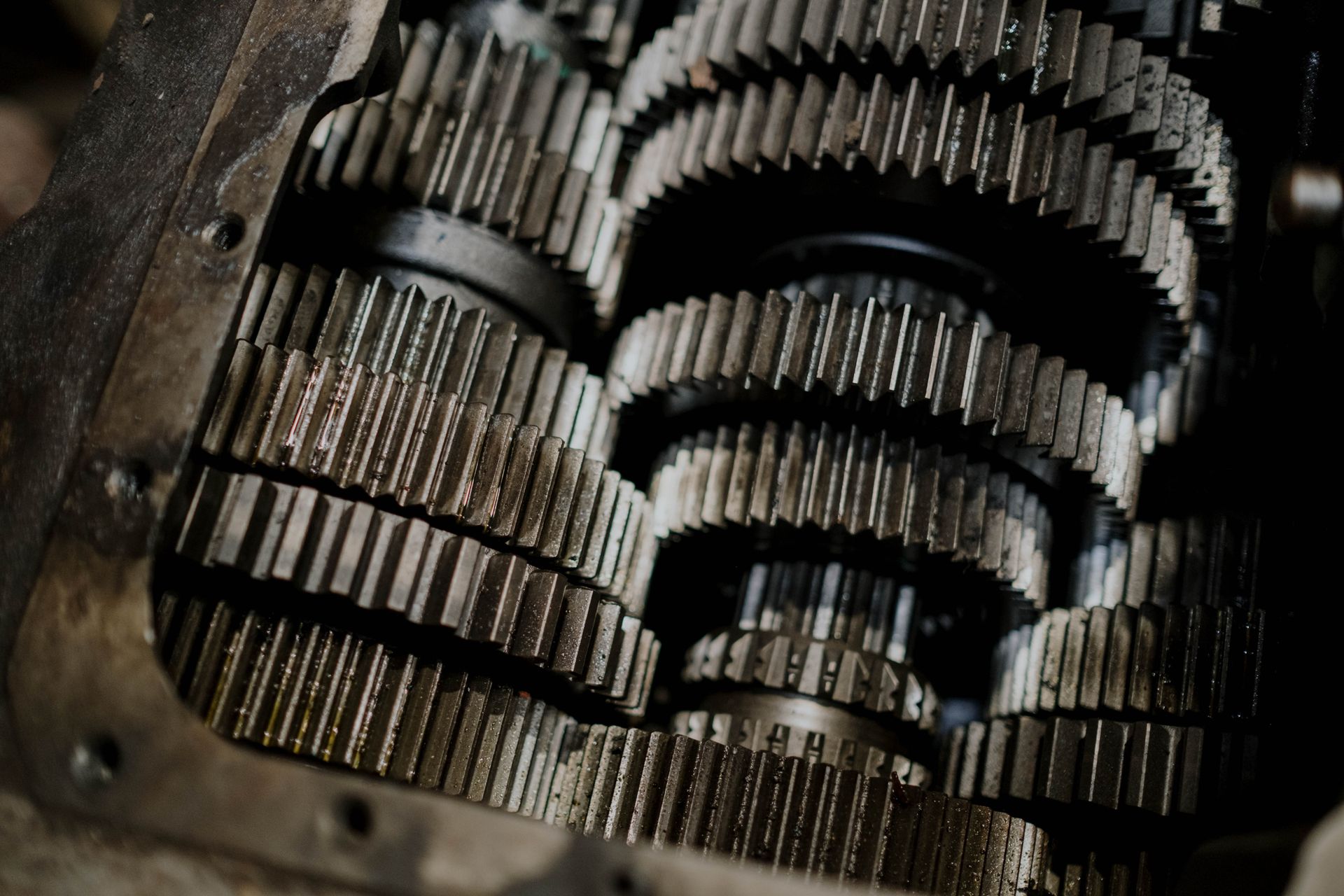
Minimizing Hoist Downtime Through Smarter Gearbox Decisions
Hoist gearboxes sit at the center of both safety and production. When they fail, you are not just stopping a line; you are stopping critical lifting operations and raising real safety concerns for crews and equipment. Every industrial gearbox repair-or-replace decision in a hoist has a direct impact on uptime, worker protection, and long-term operating cost.
Seasonal production peaks, especially late-year peaks when many plants push to hit shipping targets or complete shutdown projects, put extra stress on hoists. Loads increase, duty cycles get tighter, and maintenance windows get shorter. That is exactly when an unexpected gearbox failure does the most damage.
Instead of treating gearbox work as a one-off emergency fix, a structured risk evaluation helps you make better decisions. This approach looks at reliability, regulatory expectations, and lifecycle planning for hoist gearboxes. As a team that works every day with motors, cranes, hoists, and controls across multiple states, we at Zeller Technologies see how a disciplined approach to industrial gearbox repair can protect both people and production.
Understanding Hoist Gearbox Failure Modes and Risk Exposure
Hoist gearboxes live a harder life than many horizontal drives. Common failure modes include:
- Gear tooth pitting, scuffing, and micro-cracking under high contact stress
- Bearing fatigue and spalling from heavy radial and axial loads
- Shaft misalignment caused by mounting issues or structural movement
- Housing distortion from overload or impact
- Lubrication breakdown, foaming, or contamination under high load and frequent starts
Vertical loads and shock events magnify these problems. Frequent inching, jogging, and high cycling heats the gearbox, thins the oil film, and increases wear. Even early-stage defects can quickly move into a risk zone when you are handling critical lifts.
Each failure mode ties directly to specific risks:
- Safety risk: dropped loads, uncontrolled descent, side pulls, and instability
- Operational risk: unplanned downtime, delayed maintenance outages, missed shipping windows
- Financial risk: expedited parts, emergency labor, overtime, and possible damage to product or equipment
Because hoists handle suspended loads, they demand more conservative risk tolerance than most general drives. Steel mills, ports, and manufacturing plants with critical lifts must consider not only internal company standards but also expectations driven by ASME, CMAA, and OSHA-related requirements. That means defects that might be managed in a conveyor gearbox may be unacceptable on a hoist.
When Industrial Gearbox Repair Is Viable in Hoist Service
Industrial gearbox repair can be a sound option for a hoist, but only under the right conditions. In general, repair is a candidate when:
- The housing is intact, with no cracks or distortion
- Shafts and keyways are within repairable limits
- Gear teeth show wear or pitting but not widespread breakage or missing sections
- The primary issues relate to wear, contamination, or lubrication rather than severe overload
A key factor is traceable operating history. When you have a clear picture of:
- Load spectra and overload exposure
- Duty cycles and start/stop frequency
- Temperature trends and oil life
- Vibration history and known mechanical events
you can judge whether the gearbox still has remaining fatigue life after repair. OEM data or engineering documentation helps confirm that a repaired unit can safely return to hoist duty within its design envelope.
A structured engineering evaluation should include:
- Non-destructive testing of shafts and housing
- Dimensional checks of gears, bearings, and fits
- Contact pattern checks and backlash measurement
- Material verification where needed, such as hardness or case depth checks
On top of this, regulatory and standards expectations matter. If a hoist is used for personnel handling, nuclear-related work, or other highly controlled service, the standards may lean strongly toward replacement or engineered modernization instead of repair. Even for standard industrial hoists, internal policies often mirror ASME and CMAA guidance on lifting equipment, which raises the bar for what is acceptable after repair.
Red Flags That Make Gearbox Repair a High-Risk Choice
Not every failed hoist gearbox should be repaired. There are clear red flags that push the decision toward replacement or a more extensive modernization.
High-risk conditions include:
- Cracked, warped, or heavily distorted housings
- Significant gear tooth breakage, missing teeth, or severe root cracks
- Evidence of heavy torsional shock or overload, such as twisted shafts
- Burned, smeared, or loose bearing seats that cannot be reliably restored
- A history of repeated repairs or recurring failures on the same unit
Provenance also matters. When a hoist gearbox has no nameplate, undocumented modifications, or a mix of non-OEM and unknown parts, the real rating and design intent become unclear. In hoist service, that uncertainty translates into safety risk.
Severe environments add another layer of concern. Outdoor coastal cranes, high heat foundry areas, cold storage yards in winter conditions, or corrosive atmospheres can change material properties over time. Corrosion pits, thermal cycling, and surface damage can shorten fatigue life in ways that are not always easy to see.
Partial fixes are another major pitfall. Repairing only the broken gear or bearing without:
- Verifying alignment and mounting
- Checking brakes, controls, and torque limits
- Reviewing overload protection and load monitoring
can lead to rapid re-failure. In a hoist, that is not just a maintenance headache; it is a safety hazard.
Engineering a Risk-Based Repair Strategy for Hoist Gearboxes
A better approach is to treat industrial gearbox repair decisions as a risk calculation. Combine:
- Probability of failure, driven by condition, age, load history, and environment
- Consequence of failure, including safety, downtime cost, and seasonal production needs
This simple framework helps rank which gearboxes can be safely repaired and which deserve replacement or modernization ahead of peak demand periods.
Condition monitoring is a strong tool for lowering uncertainty. Techniques such as:
- Vibration analysis to detect bearing and gear defects early
- Oil analysis to track contamination, wear metals, and oxidation
- Thermography to spot abnormal heat patterns
- Load profiling to confirm real versus assumed duty
give plant teams data, not guesses, when they decide on repair or replacement.
When repair is chosen, engineered upgrades can shift the risk profile in your favor. Examples include better gear finishes, improved lubrication systems, upgraded seals, or redesigned cooling for known hot spots. Integration with modern controls that manage torque and speed can also protect the gearbox in the future.
To make this work, plant engineers and an industrial specialist need clear standards. At Zeller Technologies, we support customers in building:
- Standard inspection and acceptance criteria for hoist gearboxes
- Repair specifications that match hoist duty cycles and safety factors
- Test plans that confirm the repaired gearbox meets or exceeds the original design intent
That consistency turns individual repair decisions into part of a broader reliability strategy.
Integrating Controls and Modernization to Reduce Hoist Gearbox Risk
Mechanical work alone only solves part of the problem. Modern drive and control systems can greatly reduce stress on hoist gearboxes.
Soft starting and precise torque control lower shock at start and stop. Improved braking control reduces impact loads at the end of travel and during positioning. This kind of control strategy can extend the life of gears, bearings, and couplings.
Adding smarter feedback and protection during repair or modernization also improves traceability and compliance. Useful additions include:
- Load monitoring and overload protection tied to control logic
- Position feedback for controlled acceleration and deceleration
- Event logging to capture overloads, faults, and abnormal operations
Before a repaired gearbox goes back into service, factory-style testing is critical. Typical steps include no-load run testing, controlled load testing where practical, and full functional testing of controls and safety circuits. For hoists, brake function, overspeed protection, and emergency stop circuits must be checked with the same care as the mechanical rebuild.
An integrated approach that combines gearbox repair, motor expertise, hoist and crane knowledge, and control systems, like the one we follow at Zeller Technologies, creates a closed-loop reliability plan instead of isolated component fixes.
Turning Gearbox Repair Decisions Into a Reliability Advantage
Hoist and crane owners who move from reactive fixes to a planned, risk-based gearbox strategy gain a real advantage. Gearbox work is aligned with seasonal production peaks and maintenance shutdowns, instead of disrupting them.
A practical step is building a hoist gearbox registry that records:
- Criticality ranking for each unit
- Condition history and inspection findings
- Agreed inspection intervals and test methods
- Pre-approved decision trees for repair, replacement, or modernization
With that structure in place, industrial gearbox repair becomes a controlled tool rather than a last-minute gamble. At Zeller Technologies, we help plants perform hoist and gearbox risk assessments, set up predictive maintenance programs, and support emergency needs so lifting operations stay safe and reliable all year.
Protect Your Production With Fast, Reliable Gearbox Repair
When your operation is on the line, you need a trusted partner who can respond quickly and fix the problem right the first time. Our expert technicians are available for rapid industrial gearbox repair to help you minimize downtime and extend the life of your equipment. If you are ready to schedule service or discuss an urgent issue, contact us today so Zeller Technologies can get your systems back up and running.